Journal
Wildlife Around Dambulla: Elephants, Birds and Nature Experiences
Discover the wildlife experiences around Dambulla, from elephant safaris and birdwatching to forests, lakes and the natural landscapes of Sri Lanka’s Cultural Triangle.
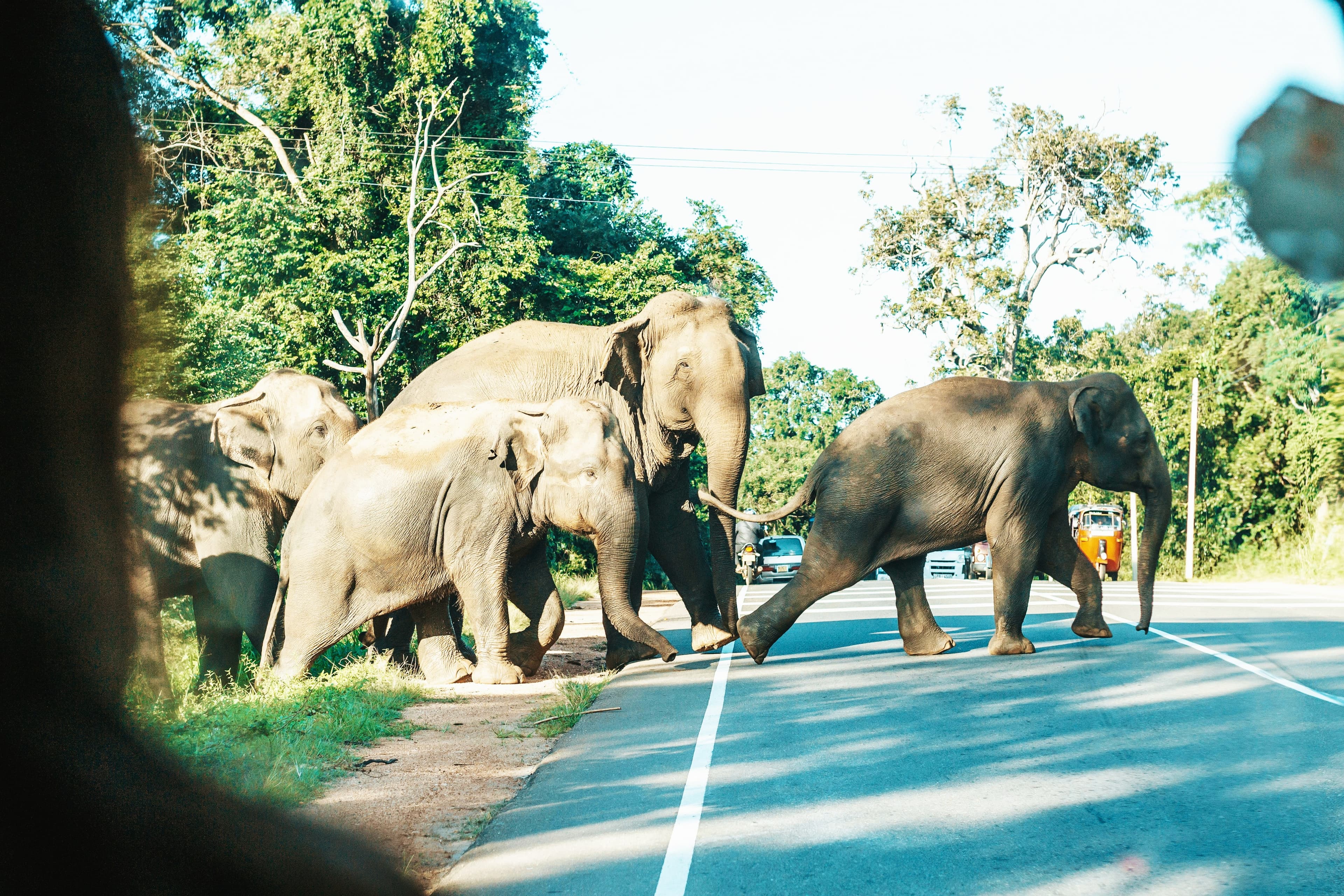
Dambulla is widely known for its ancient temples and its proximity to Sigiriya, but the region also provides access to some of central Sri Lanka’s most interesting natural environments. Forests, reservoirs, wetlands and open grasslands surround the Cultural Triangle, creating habitats for elephants, birds and other wildlife.
For travellers who want more than cultural sightseeing, Dambulla can be a useful base for combining heritage with nature. A day exploring ancient sites can easily be followed by a safari, birdwatching experience or quiet journey through the countryside.
1. Go on an Elephant Safari
One of the most popular wildlife experiences in the Dambulla region is a safari in one of the nearby national parks.
Minneriya National Park is particularly known for its elephants, with the reservoir and surrounding grasslands creating an important seasonal habitat. During suitable conditions, elephants gather around the water and grasslands, creating opportunities for visitors to observe them from safari vehicles.
Kaudulla National Park is another option in the wider region. The best park can vary depending on the season and where wildlife is being observed, so it is worth asking a knowledgeable local operator or your hotel for current conditions before choosing a safari.
2. Look for Birds and Smaller Wildlife
The wildlife experience around Dambulla is not only about elephants. The forests, wetlands and agricultural landscapes support a wide variety of birdlife and smaller animals.
Early mornings are particularly suitable for nature observation, when temperatures are cooler and bird activity can be higher. Travellers do not necessarily need to book a full-day excursion to appreciate the region’s wildlife. Even journeys between attractions can reveal a surprising amount of natural activity when you slow down and pay attention.
For visitors interested in photography, a telephoto lens and patience are more useful than trying to get as close as possible to animals.
3. Explore the Landscape Around Kandalama
The wider Dambulla area includes reservoirs, forests and open countryside that give the region its distinctive character.
Kandalama and the surrounding landscapes provide opportunities for birdwatching, photography and quiet walks, while rural roads offer glimpses of farming communities and everyday life away from Sri Lanka’s main tourist centres.
These experiences work particularly well alongside the major archaeological attractions. After spending a morning among ancient temples or climbing Sigiriya, time beside a reservoir or in the countryside offers a completely different pace.
4. Add Ritigala for a Different Experience
Travellers with more time can consider visiting Ritigala, an ancient forest monastery set within a more secluded natural environment.
The site provides a different perspective on Sri Lanka’s heritage because its archaeological remains are surrounded by forest rather than an urban setting. The combination of ancient stone structures and the surrounding landscape makes it particularly appealing to travellers who enjoy both history and nature.
Ritigala is better suited to visitors who have additional time in the region rather than those trying to fit every attraction into a single day.
5. Travel Responsibly Around Wildlife
Wildlife experiences are most rewarding when animals are allowed to behave naturally. During safaris, visitors should follow their guide’s instructions, keep a respectful distance and avoid actions that could disturb animals.
Photography should also never take priority over animal welfare. A good wildlife experience is about observing rather than interfering.
Choosing responsible operators and avoiding activities that encourage direct contact with wild animals can help support better tourism practices in the region.
7. Stay in Dambulla
Dambulla makes a useful base for travellers who want to combine wildlife with the Cultural Triangle. Staying in one location means you can plan a safari on one day and visit Dambulla Cave Temple or Sigiriya on another.
Moi Dambulla provides accommodation for travellers exploring the region, making it possible to build a varied itinerary around nature, heritage and local experiences.
8. Conclusion
The landscapes around Dambulla reveal a side of central Sri Lanka that is easy to overlook when focusing only on ancient monuments. Elephant safaris, birdwatching, reservoirs, forests and rural scenery provide opportunities to experience the natural environment alongside the region’s cultural heritage.
For travellers looking for Dambulla accommodation, a hotel in Dambulla or a comfortable base for wildlife and Cultural Triangle experiences, Moi Dambulla offers a practical starting point for exploring the area. From an early morning safari to an afternoon among ancient sites, the region makes it possible to combine nature and history in one journey.